

29 Aug 2026
Spiti Valley
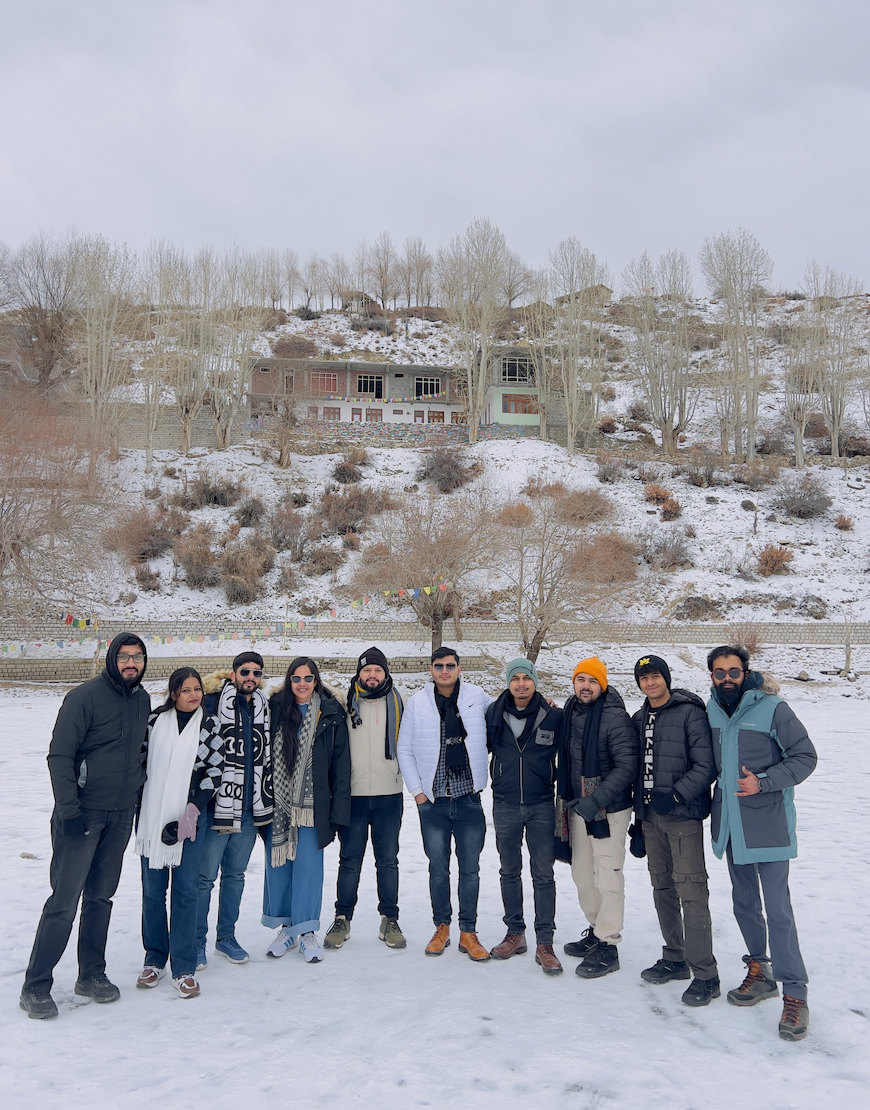
Our journey through Spiti Valley took us across breathtaking mountain roads, ancient monasteries, and picturesque villages nestled in the heart of the Himalayas. From the stunning landscapes of Key Monastery to the peaceful charm of remote Himalayan settlements, every moment was a memorable adventure filled with natural beauty and cultural wonders.Packing for Peak Winter Spiti: The Art of Traveling Light
Packing for Spiti in peak winter isn't about bringing your entire wardrobe, it is about bringing the right high-performance gear. Temperatures in the valley regularly plummet below -20°C, leading many travelers to pack massive 30 kg trolley bags under the belief that more clothes equal more warmth.
In reality, overpacking in a heavy trolley bag turns a bucket-list expedition into an exhausting physical struggle. Here is how to pack smart, layer correctly, and survive peak winter in Spitieffortlessly.
The Great Debacle: Rucksack vs. Trolley Bag
If there is one golden rule for high-altitude winter travel, it is this: leave the hard-shell trolley bag at home.
The Reality of the Trolley Bag Struggle
• Frozen Wheels: Trolley wheels freeze, clog with mud, and break on icy, unpaved village tracks.
• Stairs and Village Homestays: Winter homestays in villages like Kibber, Langza, and Kaza do not have elevators or paved walkways. You will be lugging a 25–30 kg dead weight up steep, snow-covered steps and icy alleys.
• Vehicle Space: Convoy 4x4s and tempo travelers have limited boot space. Bulk hard-top suitcases waste critical space and are difficult to stack safely.
Why a Rucksack Wins
A 50–60L rucksack or a heavy-duty duffel bag is your best friend. It conforms to trunk spaces, keeps your hands free on icy slopes, and allows you to walk securely across snowbound paths without losing balance.
Why You MUST Travel Light
In extreme cold, warmth comes from air trapped between lightweight layers, not heavy, bulky fabrics. Carrying less allows you to move freely, pack your vehicle quickly, and avoid unnecessary physical fatigue at 12,000+ feet, where oxygen levels are already low.
The Essential Peak Winter Packing List
To stay comfortable down to -20°C without overpacking, focus on these non-negotiable items:
1. -10°C to -20°C Rated Down Jacket: A high-loft, lightweight down or synthetic insulated jacket is your primary shield against freezing winds.
2. Quality Thermal Layers: Invest in 2–3 pairs of high-quality merino wool or heavy synthetic thermal tops and bottoms. Moisture-wicking base layers keep sweat away from your skin.
3. Waterproof Snow Shoes: Normal sneakers or canvas shoes will freeze your feet instantly. Wear waterproof, insulated winter boots with deep rubber lugs for traction on ice and snow.
4. Thermal Vacuum Flask: Running water freezes in winter pipes. You will rely on hot water provided by homestays. A good 1-liter stainless steel vacuum flask keeps drinking water warm all day.
5. Self-Heating Body Pouches: Single-use chemical heat pads (hand and foot warmers) are lifesavers during long photo stops or chilly night homestays.
6. Accessories That Matter:
o Gloves: Dual-layer system (thin thermal inner liners + windproof/waterproof outer ski gloves).
o Woolen Socks: 4–5 pairs of thick merino wool socks (never wear cotton).
o Head & Neck Protection: A fleece-lined beanie and a windproof neck gaiter or balaclava.